
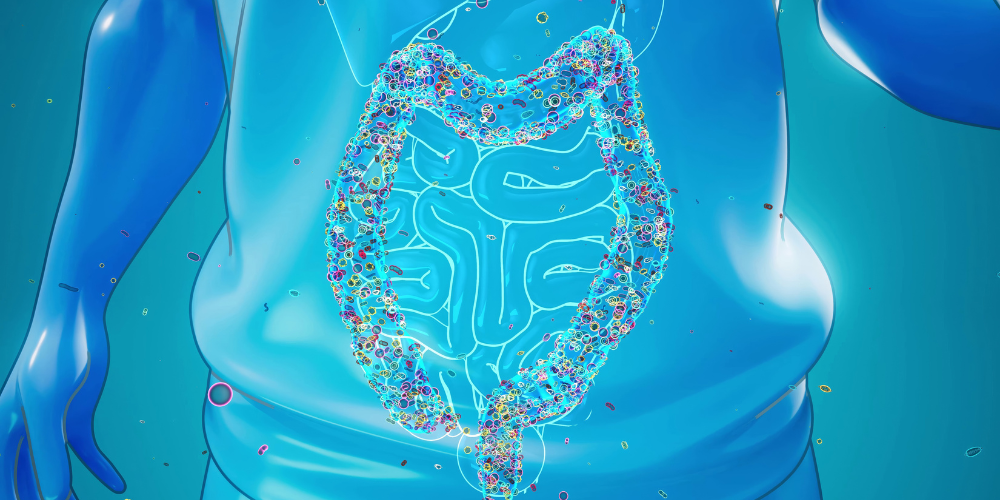

Memory often feels like a function of the brain alone. Yet new scientific findings point toward a surprising partner in cognitive health: the gut. A growing body of research suggests that the microbes living in the digestive system may influence how the brain forms and preserves memories over time.
A recent study published in the journal “Nature,” led by researchers from the University of Pennsylvania and Stanford University, adds strong evidence to this idea. Scientists discovered that the gut microbiome—the vast community of bacteria, fungi, viruses, and archaea living inside the digestive tract—may directly shape memory performance, especially as the body ages.
The research shows that age-related shifts in gut bacteria can trigger inflammation that disrupts communication between the brain and the body. When that connection weakens, memory formation may begin to decline.
The Gut–Brain Link Behind Memory
The human body runs on complex communication systems. One of the most important is the vagus nerve, often described as the electrical highway connecting the brain to internal organs. This nerve carries signals between the gut and the brain’s hippocampus, the region responsible for forming and organizing memories.
Scientists wanted to understand whether changes in the gut microbiome could interfere with this connection.
Christoph Thaiss of Stanford University, the senior author of the study, explained the broader motivation behind the research:
“Although memory loss is common with age, it affects people differently and at different ages. What we learned is that the timeline of memory decline is not hardwired; it’s actively modulated in the body, and the gastrointestinal tract is a critical regulator of this process.”
In other words, memory decline may not be an unavoidable biological process. Internal factors—particularly the state of the gut—may influence when and how cognitive changes appear.
How Scientists Tested the Theory

Freepik | The study analyzed the cognitive consequences of younger mice adopting an older microbiome.
To investigate the relationship between gut bacteria and memory, researchers designed experiments using laboratory mice. The study compared two groups:
Young mice aged two months
Older mice aged 18 months
Both groups shared the same living environment for one month. This setup allowed the younger mice to acquire the microbiome of the older mice.
The result surprised researchers.
After inheriting the older gut microbiome, the younger mice began performing poorly in tasks designed to test memory. These tasks included recognizing objects and finding escape routes through mazes.
However, the change did not last.
Once scientists treated the mice with a broad-spectrum antibiotic that cleared the older microbes from their digestive systems, the younger mice regained their strong memory performance and navigated the mazes efficiently again.
The results suggested that microbial changes—not age alone—played a major role in the decline.
A Bacterium Linked to Cognitive Decline
While analyzing the gut microbiomes of aging mice, researchers identified one bacterium that increased significantly over time: Parabacteroides goldsteinii.
As this bacterium accumulated, it produced higher levels of medium-chain fatty acids. These compounds then activated immune cells called myeloids, which triggered inflammation in the body.
That inflammation interfered with signals traveling along the vagus nerve. When the communication pathway weakened, the hippocampus struggled to process and store memories effectively.
Thaiss described the finding in direct terms:
“This is a direct driver of memory decline. And if we restore the activity of the vagus nerve, we can restore an old animal’s memory function to that of a young animal.”
In experiments where researchers stimulated the vagus nerve, the memory performance of older mice improved significantly.
Aging and the Body’s Internal Senses
Human aging affects many forms of perception. Vision may weaken, hearing may fade, and reaction time may slow. These are examples of changes in exteroception, the body’s ability to sense the external world.
The new research suggests another type of sensory change occurs as well: interoception, the brain’s awareness of internal signals from organs and bodily systems.
Thaiss noted this shift while discussing the results:
“It’s clear that our exteroception capabilities decline with age—we grow to need eyeglasses and hearing aids. And this study shows that aging also affects interoception.”
The gut-brain communication network appears to play a central role in that internal awareness.
Why Some People Stay Mentally Sharp Longer

Freepik | Gut health may be the secret behind why some people remain "superagers" while others face early cognitive decline.
The study also raises an intriguing question about human aging. Some individuals remain mentally sharp well into their 90s, often called “superagers,” while others experience noticeable cognitive decline decades earlier.
Researchers believe gut health might help explain this difference.
Because the microbiome changes over time, individuals with a healthier microbial balance may maintain stronger gut-brain signaling. That could help protect memory performance for longer periods.
The microbiome itself is considered one of the earliest biological systems in human evolutionary history. As a result, its influence extends far beyond digestion.
Medical Interest in the Vagus Nerve
Scientists have already explored medical treatments that target the vagus nerve. In fact, vagus nerve stimulation is an FDA-approved therapy used to treat conditions such as epilepsy and depression.
This existing medical approach adds credibility to the new findings. If gut-related inflammation weakens vagus nerve signaling, therapies that strengthen the pathway could potentially slow age-related cognitive decline.
The research team believes their discovery outlines a clear biological sequence behind memory loss.
Thaiss summarized the process:
“We’ve identified a three-step pathway toward cognitive decline that starts with gastrointestinal aging and the subsequent microbial and metabolic changes that occur. Our hope is that ultimately these findings can be translated into the clinic to combat age-related cognitive decline in people.”
The study's evidence suggests that the digestive system may influence cognitive aging more than previously understood. Changes in gut bacteria can trigger inflammation, disrupt vagus nerve signaling, and interfere with the hippocampus’s ability to form memories.
The findings highlight an interconnected system where gut microbes, immune responses, and nerve signals shape brain function.
Maintaining a balanced microbiome may help delay memory decline, emphasizing that cognitive health is influenced by more than just the brain.