
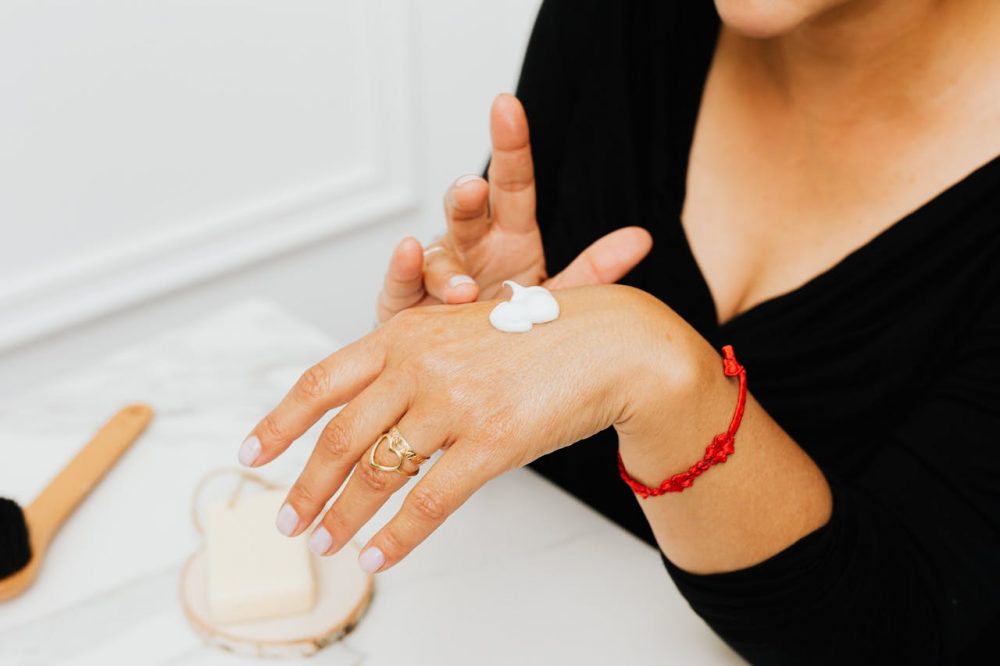

Most people own a bottle of body lotion. Far fewer use it the right way. Some apply it once a week and hope for the best. Others slather it on every few hours because their skin still feels tight. The truth sits somewhere in the middle.
Your skin changes every day. Weather, showers, sweat, and even your laundry detergent can mess with your moisture levels. That is why body lotion is not just a cosmetic extra. It helps your skin stay soft, smooth, and comfortable.
Body lotion contains ingredients that lock water into the skin. Humectants pull moisture in. Emollients smooth rough patches. Occlusives create a barrier that slows water loss. Together, they help your skin stay balanced instead of dry and flaky.
For most people, once a day is enough. The best time to apply lotion is right after a shower when your skin is still damp. That is when your skin holds onto moisture most effectively. Waiting too long after drying off lets that water escape into the air.
It All Depends on Your Skin Type
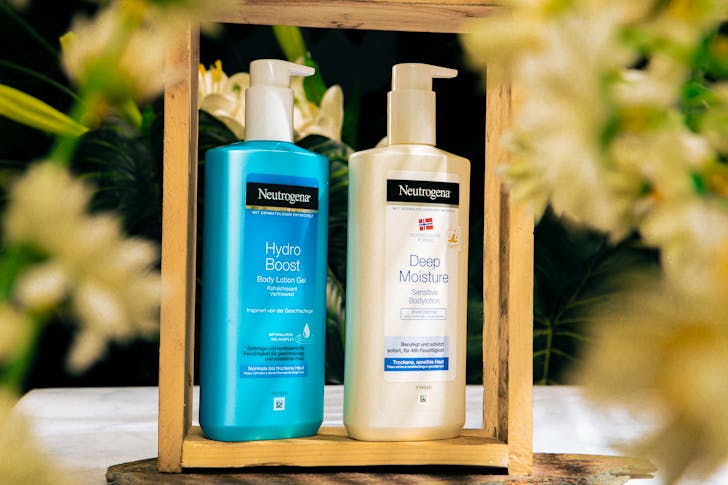
Dau / Pexels / Dry skin needs more attention than oily or balanced skin. If your arms feel rough by midday or your legs look ashy after getting dressed, your skin is asking for more moisture.
In that case, using body lotion twice a day can make a noticeable difference.
Morning and evening applications work well for very dry skin. Focus on areas that lose moisture quickly, like elbows, knees, ankles, and hands. Those spots tend to crack, itch, or look dull first. A thicker lotion can help those areas stay comfortable longer.
People with oily skin often skip lotion because they think it will feel greasy. That usually backfires. When skin lacks moisture, it can produce even more oil to compensate. A lightweight lotion helps keep that cycle under control without making your skin feel heavy.
Sensitive skin also needs consistency. Fragrance-heavy lotions can irritate already reactive skin. Look for formulas with simple ingredients and no strong scent. Your skin usually responds better to gentle hydration than trendy ingredients packed into flashy bottles.
Climate Can Dry You Out
Cold weather wrecks moisture levels faster than most people realize. Indoor heating pulls water from the air, and your skin feels the effects almost immediately. That tight feeling after coming inside during winter is not your imagination.
During colder months, daily lotion becomes less of a suggestion and more of a requirement. Some people need to reapply during the day, especially on their hands and legs. Thick creams often work better than thin lotions when the air turns dry.
Hot climates create different problems. Sweat and sun exposure can leave skin dehydrated even when it feels oily. After spending time outside, your skin may need hydration to recover from heat and UV exposure.
Air conditioning can also dry out skin quietly in the background. Many people notice flaky patches during summer and blame sunburn when the real issue is constant exposure to cooled indoor air. A lightweight lotion after showering usually solves the problem quickly.
When to Use a Body Lotion?
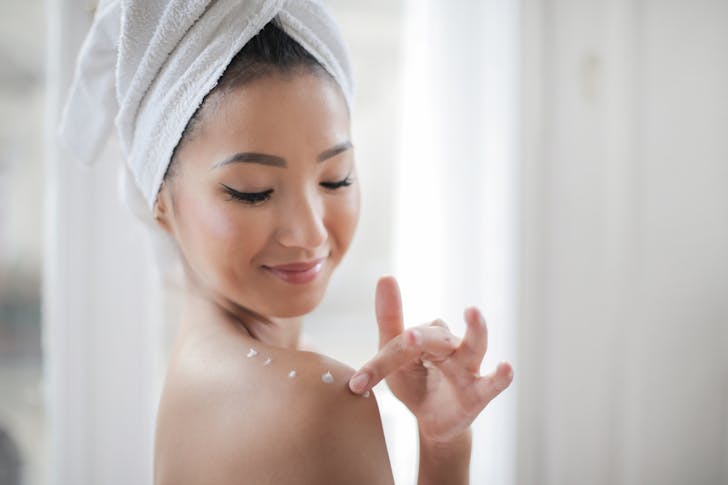
Olly / Pexels / Applying lotion to dry skin hours after a shower is less effective because the moisture has already evaporated.
Damp skin acts like a sponge. It absorbs hydrating ingredients more efficiently right after bathing. That is why dermatologists often recommend moisturizing within a few minutes of stepping out of the shower.
Hot showers can also strip natural oils from your skin. Long showers feel relaxing, but they leave skin vulnerable to dryness. Lotion helps restore some of that lost protection before irritation starts.
Remember, consistency beats occasional heavy use every time. Applying lotion once daily keeps your skin barrier stronger than using half a bottle only when your skin starts peeling. Skin responds better to regular care than emergency fixes.
People often forget that hands need attention, too. Washing them repeatedly during the day strips away moisture fast. A quick layer of lotion after washing helps prevent cracked skin and rough knuckles.
Your age also affects how often you should moisturize. Younger skin naturally holds moisture better. As skin matures, it produces less oil and loses hydration faster. That is why older adults often need richer formulas and more frequent application.