

Turning 40 brings plenty of changes, and some happen quietly inside your body. One of the biggest surprises for many people is seeing higher cholesterol numbers during a routine health check. It often happens even when eating habits have not changed much.
Experts say this shift is not simply about eating too much butter or skipping the gym. Aging changes the way the body handles cholesterol. Hormones begin to shift, metabolism slows, and years of daily habits start to catch up. Together, these changes can increase the risk of heart disease if they go unnoticed.
Doctors stress that higher cholesterol after 40 is common, but it is not something to ignore. Knowing why it happens is the first step toward keeping your heart healthy for the years ahead.
Your Body Starts Handling Cholesterol Differently
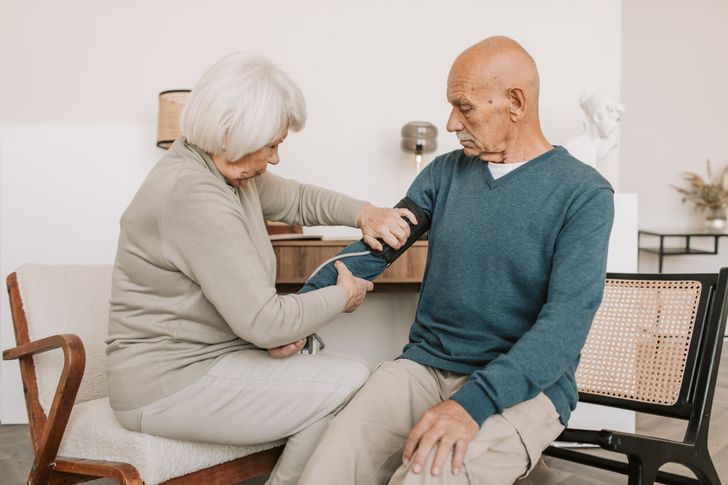
Vlad / Pexels / One of the biggest reasons cholesterol rises after 40 is a natural slowdown in the body's metabolism.
The liver, which removes low-density lipoprotein, or LDL, from the blood, gradually becomes less efficient with age. As a result, more LDL stays in the bloodstream, even if your diet has stayed the same.
"Age is one of the strongest risk factors for high cholesterol because the body's ability to clear LDL naturally declines over time," explains the American Heart Association. This change is part of normal aging, and it helps explain why high cholesterol is most often diagnosed in adults between 40 and 59 years of age.
Scientists have also found that the number of LDL receptors in the liver decreases with age. These receptors work like tiny catchers that pull LDL cholesterol out of the blood. Fewer receptors mean less cholesterol gets cleared away each day.
At the same time, the small intestine becomes better at absorbing cholesterol from food. This double effect, slower removal and greater absorption, causes cholesterol levels to climb steadily over time. Even people who maintain healthy routines may notice this gradual rise.
Hormonal Changes Raise Cholesterol
For women, menopause brings another major change. Estrogen helps the liver manage cholesterol and supports healthy blood vessel function. As estrogen levels fall during perimenopause and menopause, that protection begins to fade.
Dr. JoAnn Manson, Chief of the Division of Preventive Medicine at Brigham and Women's Hospital, has noted that menopause is linked to significant changes in cholesterol levels because declining estrogen affects the way the body processes fats. Many women see total cholesterol and LDL cholesterol increase while HDL, often called the good cholesterol, falls.
Research shows that LDL cholesterol can increase by around 10 to 14 percent in the years after menopause, even without major lifestyle changes. Women who experience early or premature menopause may face an even greater risk because they spend more years without estrogen's protective effects.
However, this does not mean every woman will develop heart disease after menopause. It does mean regular cholesterol checks become even more important. Detecting changes early allows doctors to recommend lifestyle adjustments or treatment before serious problems develop.
Years of Lifestyle Choices Finally Catch Up

Sarah / Pexels / The body keeps a long record of daily habits. Small choices made over decades can slowly affect cholesterol levels and heart health.
By the time someone reaches their 40s, those effects often become more noticeable.
A diet high in saturated fat, too little physical activity, smoking, excess alcohol, poor sleep, and ongoing stress can all contribute to rising cholesterol. Even modest weight gain over many years can make it harder for the body to regulate blood fats.
Genetics also becomes more apparent with age. Some people inherit conditions such as familial hypercholesterolemia, which causes very high LDL cholesterol regardless of lifestyle. Others may simply have a family tendency toward higher cholesterol that becomes easier to spot during middle age.
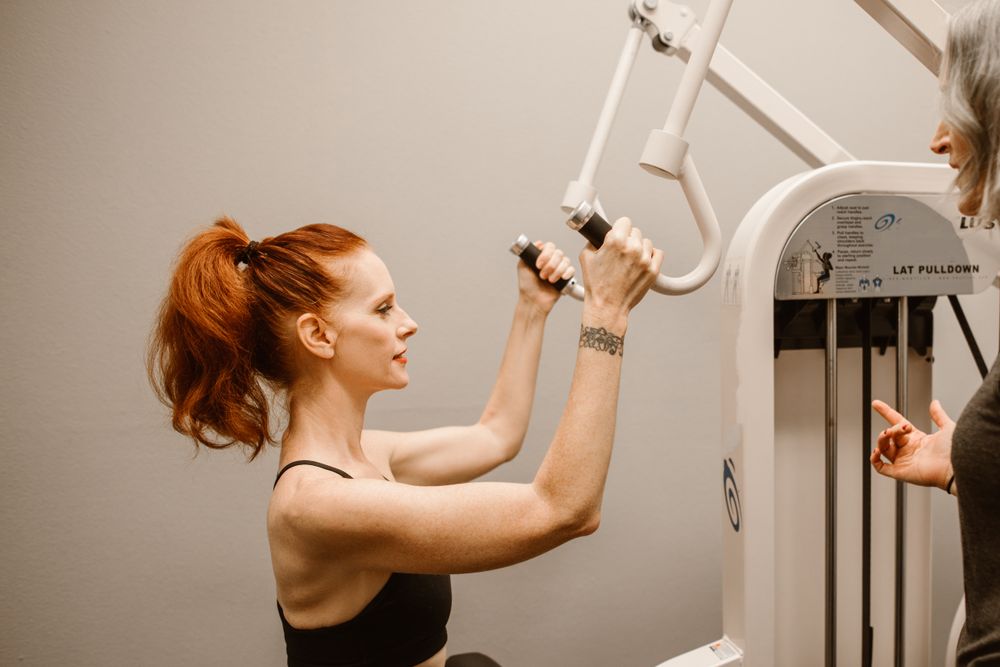
Experts point out that healthy habits still matter. Regular exercise, eating more fiber-rich foods, limiting processed foods, and maintaining a healthy weight can improve cholesterol levels, even if aging itself cannot be stopped.