

Hot summer days can be enjoyable, but extreme heat can quickly become dangerous. Spending too much time outdoors, working in high temperatures, or exercising in the sun can overwhelm your body's natural cooling system. When that happens, heat-related illnesses can develop faster than many people realize.
Two of the most common heat-related conditions are heat exhaustion and heat stroke. Although they sound similar, they are not equally serious. Heat exhaustion is a warning that your body is struggling to stay cool. Heat stroke is a medical emergency that needs immediate treatment. Knowing the difference could save your life or the life of someone around you.
Heat Exhaustion is Your Body's Early Warning Sign

Ketut / Pexels / Heat exhaustion happens when your body loses too much water and salt through heavy sweating.
As dehydration develops, your body has a harder time controlling its temperature. This usually happens after long periods in hot weather or during intense physical activity.
The symptoms often begin gradually. You may feel tired, weak, or dizzy even after drinking water. Some people also notice headaches, muscle cramps, nausea, or excessive sweating. These warning signs should never be ignored because they can quickly become more serious.
People with heat exhaustion have cool, pale, or damp skin. Their pulse may become faster than normal, and they may feel lightheaded when standing. Some also experience fainting because blood pressure drops as the body struggles to cool itself.
Heat Stroke is a Medical Emergency
Heat stroke is much more dangerous than heat exhaustion. It happens when the body's temperature rises rapidly and can no longer cool itself. Body temperature may reach 104°F or higher, causing damage to the brain, heart, kidneys, and other vital organs if treatment is delayed.
Unlike heat exhaustion, sweating may decrease or stop completely during heat stroke, although some people may still sweat, especially after intense exercise. The skin often becomes hot and flushed, and the person may appear confused, agitated, or unable to think clearly.
Changes in mental status are one of the biggest warning signs of heat stroke. Someone may have difficulty speaking, seem unusually sleepy, become disoriented, or lose consciousness. Seizures can also occur in severe cases because the brain is affected by the extreme body temperature.
Heat stroke requires immediate emergency medical care. Call emergency services right away if you suspect someone has heat stroke. Every minute matters because serious complications can develop very quickly.
While waiting for medical help, move the person into shade or an air-conditioned area. Remove extra clothing and begin cooling the body using cold, wet towels, ice packs placed on the neck, armpits, and groin, or cool water if available. If the person is unconscious or unable to swallow safely, do not give food or drinks.
How to Stay Safe During Extreme Heat?

Olly / Pexels / Make sure to drink plenty of fluids throughout the day, even before you begin to feel thirsty.
Water is usually enough for most activities, although electrolyte drinks may help after prolonged exercise or heavy sweating.
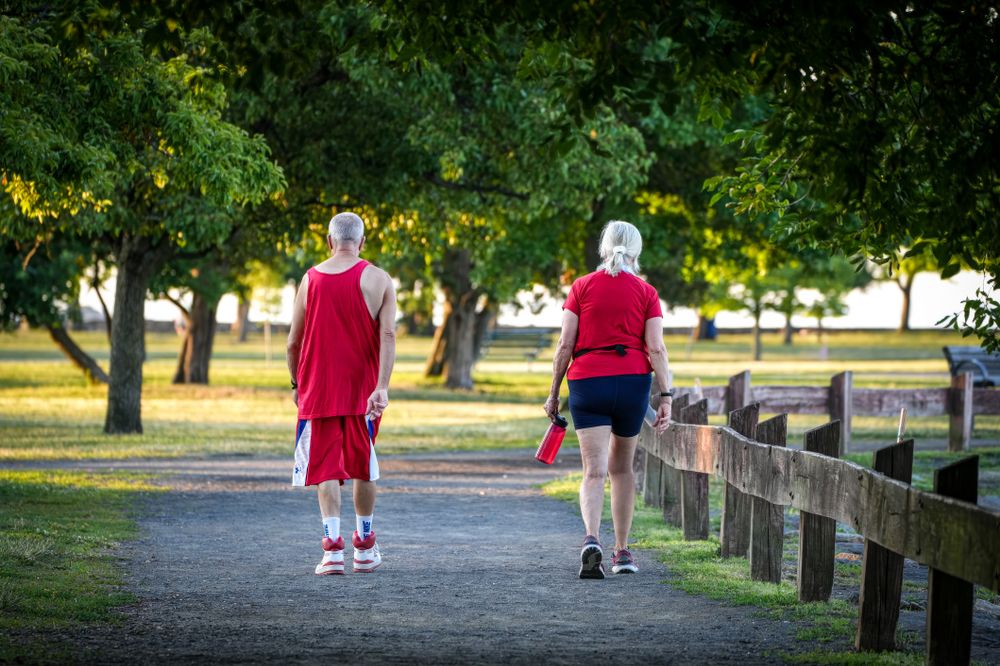
Wear lightweight, loose-fitting clothing that allows heat to escape more easily. Light colored fabrics reflect sunlight better than dark clothing and help keep your body cooler during hot weather.
Plan outdoor activities during the cooler parts of the day whenever possible. Early morning and late evening are generally safer than the hottest afternoon hours. If you must work outside, take regular breaks in the shade or inside an air-conditioned building.
Never underestimate humidity. High humidity makes it harder for sweat to evaporate, reducing your body's ability to cool itself. Even temperatures that seem manageable can become dangerous when humidity levels are high.
Pay close attention to children and older adults during heat waves. Young children cannot always recognize the signs of overheating, while older adults may not notice thirst until dehydration has already developed. Regularly checking on family members can help prevent serious illness.