
Taylor Swift’s songwriting has long inspired discussion, analysis, and endless fan theories. Across two decades, 12 studio albums, and countless chart-topping hits, her lyrics have encouraged listeners to search for hidden meanings, personal connections, and real-life references.
While that tradition remains a major part of Swift’s relationship with fans, the singer has also made it clear that not every lyric should be treated as a factual clue.
Swift understands that fans enjoy finding Easter eggs in her music. In a recent interview with The New York Times, she acknowledged the traditions that have developed around her albums, including the expectation that track five on every record delivers an especially emotional experience.
At the same time, she addressed the more intense side of lyric interpretation. According to Swift, some fans take detective work beyond what was originally intended.
“There are people who are going to try to do detective work, figure out the details,” she explained. “‘Who is that about? What is this?’”
The comments highlight a recurring theme in Swift’s career: the balance between personal storytelling and artistic creativity.
Travis Kelce References in Recent Songs
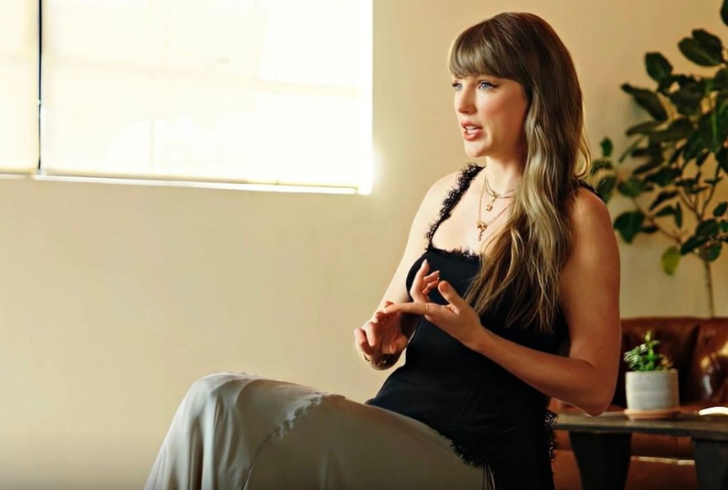
Instagram | @shailyus | Taylor Swift says she enjoys fan theories and hidden clues, but she believes some listeners take lyric interpretations too far.
Some lyrical references appear more direct than others. One notable example comes from “Wi$h Li$t,” where Swift sings about wanting “a couple kids” and having “the whole block lookin’ like you.”
The line has drawn widespread attention because of its apparent connection to fiancé Travis Kelce. While Swift has not always confirmed the exact inspiration behind specific lyrics, many listeners view this as one of her clearest romantic references in recent years.
Even so, Swift has consistently emphasized that songwriting should not be reduced to identifying a single person behind every line.
“When it gets a little bit weird for me is when people act like it’s a paternity test—‘this song’s about that person,’” she told The New York Times. “Because I’m like, ‘That dude didn’t write the song, I did.’”
Another song that fueled discussion is “thanK you aIMee” from the 2024 album “The Tortured Poets Department.”
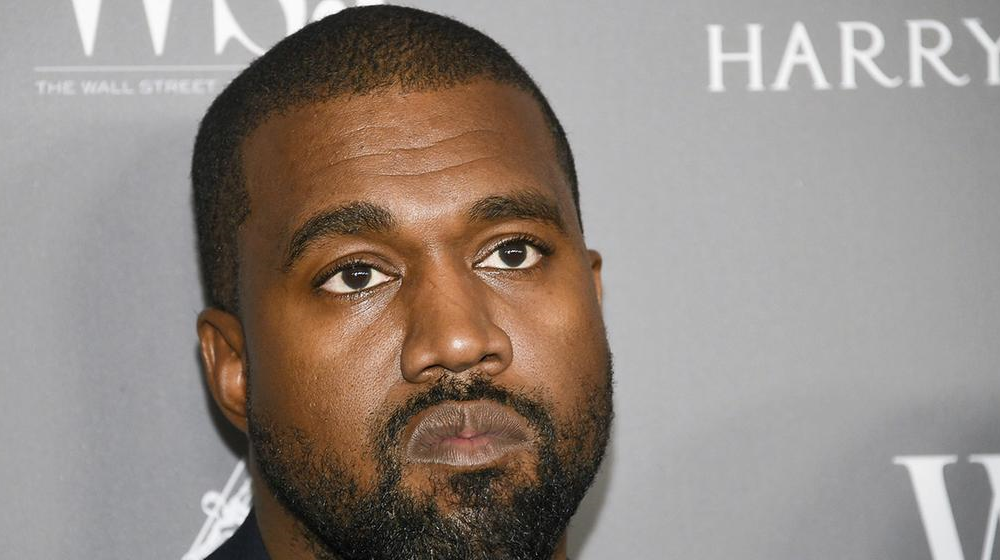
The stylized title immediately caught attention, with many listeners interpreting it as a reference to Swift’s long-running public conflict with Kim Kardashian and Kanye West. The track appears to reflect on difficult experiences while finding value in personal growth that emerged from them.
Rather than focusing solely on past disputes, the song presents a perspective that transforms criticism into motivation.
Swift’s View on Her Legacy
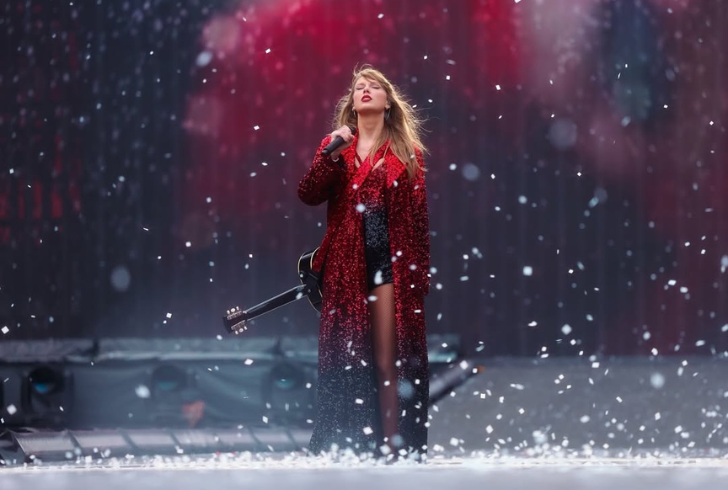
Instagram | @taylorswift | At 36, Taylor Swift becomes the second-youngest living inductee into the Songwriters Hall of Fame.
At 36, Swift will join the Songwriters Hall of Fame as the second-youngest living inductee in the organization's history. Stevie Wonder remains the only artist to earn the honor at a younger age, entering at 32.
Known for carefully crafting every lyric, Swift has spoken about her attention to language. She enjoys alliteration but avoids situations where one word ends with the same letter that begins the next.
Despite that precision, she accepts that once a song is released, it belongs to the audience.
“You have to hold tight to your perception of your art and your relationship with it,” Swift said. “And then you just have to, like: ‘There it goes. Hope you like it.’”
From subtle hints about Travis Kelce to songs such as “thanK you aIMee,” Taylor Swift’s catalog continues to inspire curiosity. Her lyrics invite interpretation, yet her message remains clear: the focus should stay on the songwriting itself.
While fans may continue connecting songs to real-life events and relationships, Swift views each track first as a piece of creative work shaped by the person who wrote it.