
The search for the perfect summer glow has taken a dangerous turn. A tanning trend known as the "Barbie drug" is spreading across social media, with users claiming it delivers a deep tan without spending hours in the sun. The promise sounds tempting, but doctors say the risks far outweigh the rewards.
Medical experts worldwide are urging people to avoid the product. The substance behind the trend is Melanotan II, an unlicensed synthetic peptide that has never been approved for cosmetic tanning in countries such as the United States, the United Kingdom, and Australia. Despite those warnings, it continues to gain attention through TikTok videos and online sellers.
The 'Barbie Drug' Is Not a Safe Shortcut
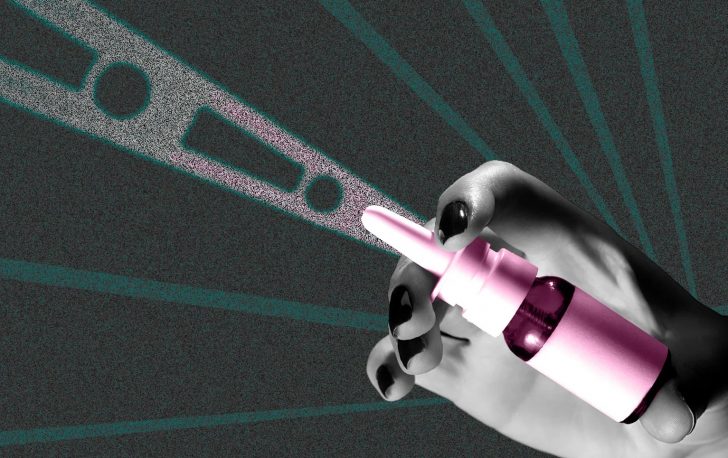
Eca / Melanotan II is a lab-made version of alpha-melanocyte-stimulating hormone, a natural hormone that helps the body produce skin pigment.
Scientists first explored it decades ago as a possible way to protect people with very fair skin from sun damage. It was never approved as a beauty product.
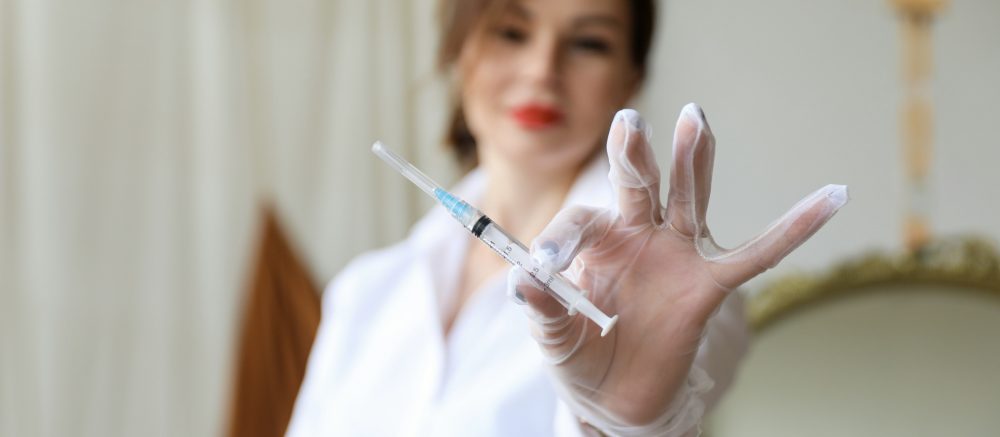
Instead, the drug found a second life online. It is often sold as an injection or nasal spray with bold claims about fast tanning. These products are not regulated, which means buyers have no guarantee about what they are actually getting. One bottle could contain the advertised ingredient, while another could contain harmful contaminants or incorrect doses.
Health experts have repeatedly warned that these products are being sold outside legal medical channels. Many are available through internet stores, gyms, and tanning salons, with little or no quality checks. That lack of oversight creates a serious safety problem before someone even takes the first dose.
Doctors Fear It Could Hide Dangerous Skin Cancer
One of the biggest concerns involves skin cancer. Melanotan II works by stimulating melanocytes, the pigment-producing cells that give skin its color. Those same cells are also responsible for melanoma, the deadliest form of skin cancer.
Dermatologists have reported cases where people using Melanotan II noticed existing moles becoming darker or changing shape. Some users also developed new pigmented spots after taking the drug. These changes can make routine skin examinations much harder because doctors may struggle to distinguish harmless moles from dangerous melanoma.
Researchers are still studying the direct link between Melanotan II and skin cancer. Even so, experts say the reports are concerning enough to justify strong warnings. Several documented cases have linked the drug with melanoma, although more research is needed to understand the relationship fully.
Doctors agree on one point. Anything that changes the appearance of moles should be taken seriously. Early detection is one of the best ways to treat melanoma successfully. A drug that makes spotting cancer more difficult creates an unnecessary health risk.
Serious Side Effects Go Beyond Your Skin
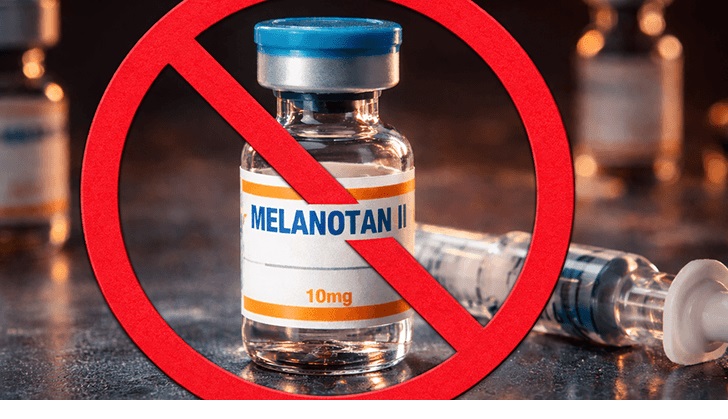
G News / Melanotan II has been linked to several serious side effects that have sent users to emergency rooms.
One of the best-known complications is priapism, a painful erection that lasts for hours and requires immediate medical treatment to prevent permanent damage.
Other reported side effects include severe nausea, vomiting, facial flushing, rapid heartbeat, high blood pressure, dizziness, and allergic reactions. Some users experience symptoms shortly after taking the drug, while others develop problems after repeated use.
Doctors also worry about the products themselves. Since Melanotan II is sold through unregulated sources, users cannot be certain about the ingredients inside each vial or spray bottle. Contamination during manufacturing can introduce bacteria or other harmful substances into products injected directly into the body.
One claim continues to spread online despite repeated warnings from medical professionals. Some social media posts suggest that using the Barbie drug eliminates the need for sunscreen because darker skin provides protection against harmful ultraviolet rays.
Experts say that claim is simply false. A drug-induced tan does not replace sunscreen. It does not block harmful UV radiation the same way broad-spectrum sun protection does. People who believe otherwise may spend longer periods outdoors without proper protection, increasing their risk of sunburn, premature skin aging, and skin cancer.
Dermatologists stress that no cosmetic tanning product can provide complete protection against ultraviolet damage. Sunscreen, protective clothing, shade, and limiting time in direct sunlight remain the safest ways to reduce the risk of skin cancer.