
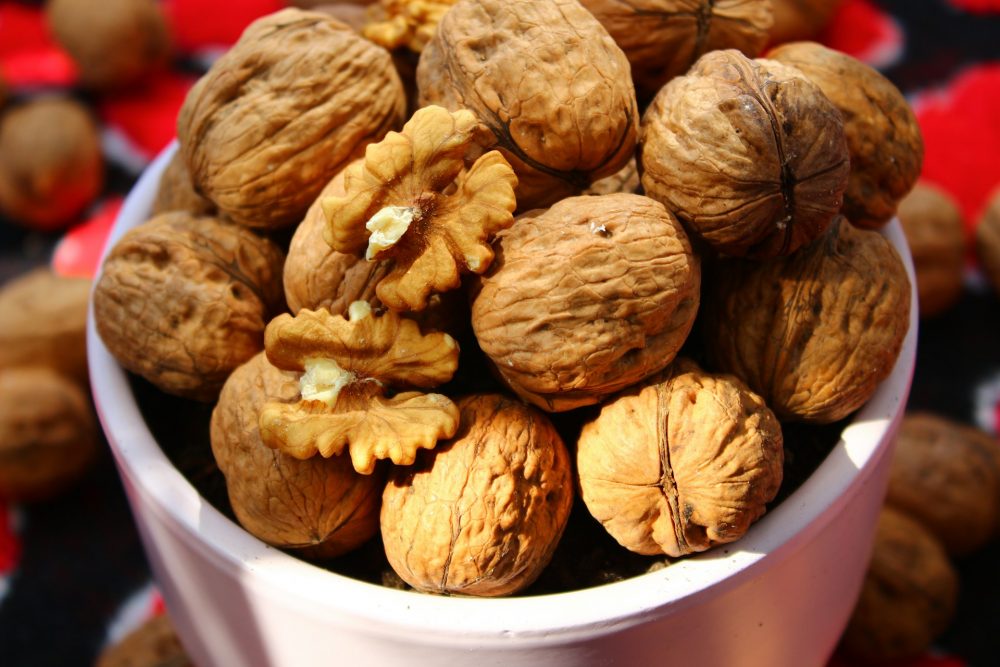

Heart disease remains one of the leading health concerns worldwide. That reality has pushed researchers and doctors to look closely at foods that can support cardiovascular health. Among the many options available, walnuts continue to stand out.
Cardiologists and nutrition experts increasingly point to walnuts as one of the best foods for protecting the heart. Their impressive nutrient profile offers benefits that go far beyond basic nutrition. A small handful each day can provide compounds that help support healthy blood vessels, cholesterol levels, and overall heart function.
Walnuts have earned their reputation through years of scientific research. While almonds, pistachios, and cashews offer valuable nutrients, walnuts bring something unique to the table. Their combination of omega-3 fatty acids, antioxidants, and plant compounds makes them a powerful ally for long-term heart health.
What Makes Walnuts Different From Other Nuts?
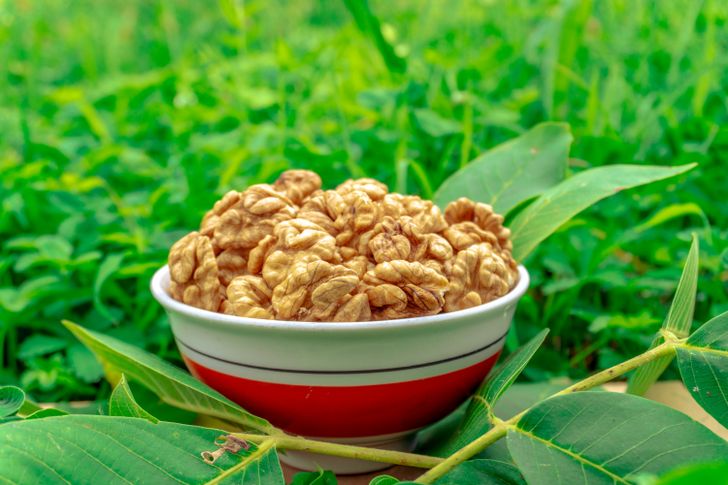
Gark / Pexels / Many nuts contain healthy fats, fiber, and minerals. Walnuts offer a major advantage that sets them apart from the crowd.
They are one of the richest sources of alpha linolenic acid, or ALA, a plant-based omega-3 fatty acid.
This distinction matters because omega-3 fats are strongly linked to better cardiovascular health. A single serving of walnuts provides a significant amount of ALA, helping people increase their intake without relying solely on fish or supplements. Few other commonly eaten nuts can match that contribution.
The body cannot produce ALA on its own. People must get it through food. Walnuts provide a simple and convenient way to meet that need while enjoying a satisfying snack that fits into most eating plans.
Researchers believe ALA helps reduce inflammation throughout the body. Chronic inflammation can quietly damage blood vessels over time and contribute to the development of heart disease. By helping calm this process, walnuts support a healthier cardiovascular system.
Another advantage comes from their nutrient density. Walnuts deliver protein, fiber, magnesium, copper, and manganese in every serving. These nutrients work together to support many aspects of health, including healthy circulation and energy production.
Walnuts Support Cholesterol and Blood Pressure
One of the most studied benefits of walnuts involves cholesterol management. High levels of low-density lipoprotein, commonly called LDL cholesterol, can increase the risk of heart disease. Excess LDL can build up inside artery walls and restrict blood flow.
Research suggests that regular walnut consumption may help lower LDL cholesterol levels. This improvement can support healthier arteries and reduce stress on the cardiovascular system. Even modest reductions in LDL cholesterol can make a meaningful difference over time.
The healthy fats found in walnuts play an important role in this process. Unlike foods high in saturated fat, walnuts provide polyunsaturated fats that help improve lipid profiles. These fats support a healthier balance between beneficial and harmful cholesterol.
Experts recommend small dietary changes that are easy to maintain. Adding walnuts to breakfast, salads, or snacks can be one of those practical changes that support long-term heart health.
The Power of Antioxidants and Healthy Blood Vessels
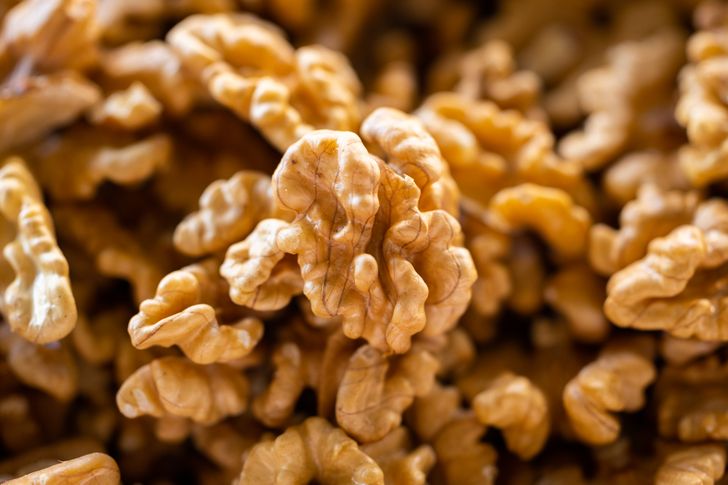
Engin / Pexels / Walnuts contain a wide variety of antioxidants that help protect the body from oxidative stress.
This process occurs when unstable molecules damage cells faster than the body can repair them. Over time, oxidative stress can contribute to aging and chronic disease.
The antioxidants found in walnuts help neutralize these harmful molecules. Polyphenols are particularly important because they provide strong protective effects throughout the cardiovascular system. These compounds help shield blood vessels from damage and support healthy function.
Healthy blood vessels play a critical role in heart health. The inner lining of blood vessels, known as the endothelium, helps regulate blood flow and maintain proper circulation. When endothelial function declines, cardiovascular risks often increase.
Above all, walnuts contain vitamin E and other protective compounds that contribute to cellular health. These nutrients help support the structure of cell membranes, including those that line blood vessels and arteries.