

Protein has dominated nutrition conversations for years. Grocery shelves are packed with high-protein snacks, drinks, and meal replacements promising better health and stronger bodies. Yet many health experts believe another nutrient deserves far more attention.
According to Dr. Ezekiel J. Emanuel, fiber may play an even bigger role in healthy aging than most people realize.
The focus is not simply about adding years to life. Dr. Emanuel emphasizes the importance of protecting quality of life as people age. That includes maintaining heart health, stable digestion, healthy weight, and balanced blood sugar levels.
Fiber supports all of these areas, yet most Americans still consume far too little of it.
Why Fiber Intake Remains So Low
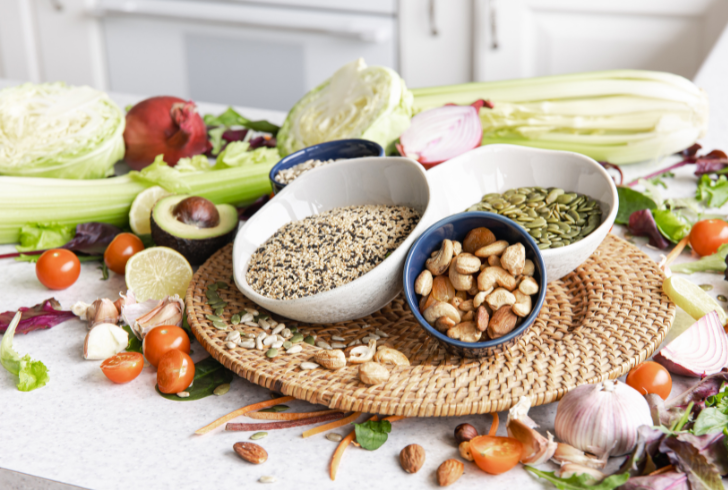
Magnific | Fiber supports digestion, heart health, and blood sugar balance, making it an important part of healthy aging.
Research shows that only around 5% of Americans meet the recommended daily fiber intake. Health experts generally advise adults to consume between 25 and 38 grams per day depending on age and sex. Despite those guidelines, the average intake sits at roughly 14 grams daily.
Modern eating habits play a major role in the gap. Highly processed foods often contain very little fiber, even when marketed as healthy choices. Many diets also prioritize protein while pushing fiber-rich carbohydrates aside. As a result, digestion, gut health, and metabolic balance may suffer over time.
Fiber supports regular bowel function and helps the digestive system move efficiently. It also slows digestion, which helps people stay full longer after meals. That effect may support weight management and reduce sudden spikes in blood sugar. Some forms of fiber can also help lower cholesterol levels, supporting long-term cardiovascular health.
The Best Foods for Fiber
Whole plant foods remain the strongest natural sources of fiber. Fruits, vegetables, legumes, seeds, nuts, and whole grains all contribute different types of fiber that support the body in unique ways.
Foods such as oats, apples, peas, asparagus, and flaxseeds contain prebiotic fiber. This type of fiber feeds beneficial gut bacteria and helps support a healthier microbiome. A balanced gut environment has been linked to digestion, immune support, and overall wellness.

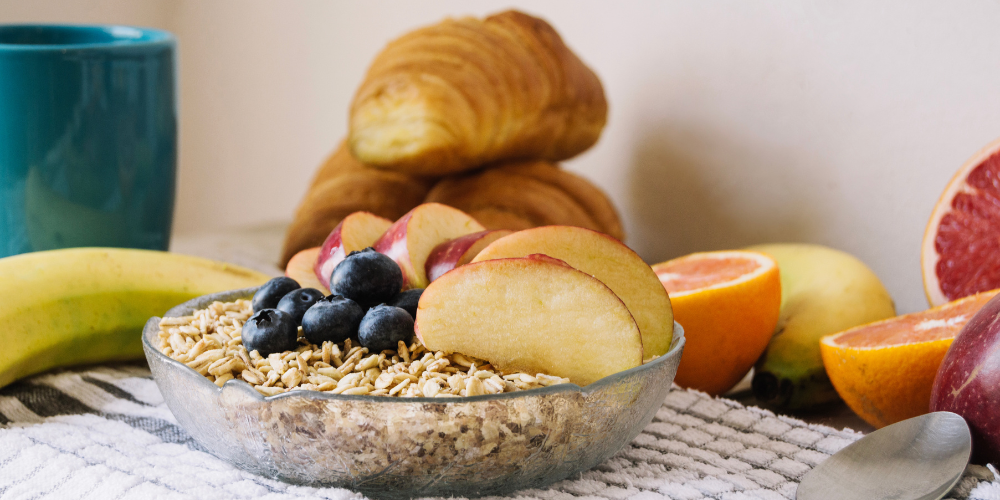
Freepik | Eating prebiotic foods like oats and apples nourishes gut bacteria, boosting immunity and overall health.
Fermented foods may also improve digestive health when paired with fiber-rich meals. Yogurt, kefir, kimchi, sauerkraut, miso, and kombucha contain probiotics that help maintain healthy gut bacteria.
Nutrition experts often point to the combination of probiotics and fiber as an effective approach for supporting digestive balance.
While fiber supplements can help increase daily intake, experts caution against relying on them as a replacement for whole foods. Natural food sources provide vitamins, minerals, antioxidants, and plant compounds that supplements cannot fully duplicate.
Variety also matters because different fiber sources support the body in different ways.
Building Better Long-Term Health
Consumer interest in fiber continues to grow as more people pay attention to digestive wellness and disease prevention. Many nutrition specialists now expect fiber-rich foods to gain even more attention in the health space.
Simple dietary changes can make a noticeable difference. Adding beans to meals, choosing whole grains over refined grains, or including more vegetables throughout the day can gradually improve fiber intake without drastic dieting.
For people focused on healthy aging, better digestion, and long-term wellness, fiber may be one of the most overlooked parts of modern nutrition.