
Protein has become the superstar of the nutrition world. Scroll through social media for a few minutes, and you will find protein coffee, protein cereal, protein chips, protein ice cream, and even protein candy.
The message seems impossible to miss. More protein equals better health, bigger muscles, and easier weight loss. That belief has fueled the rise of a trend known as "protein maxxing." The concept revolves around maximizing protein intake throughout the day, often by adding protein to nearly every meal and snack.
For many people, the trend sounds appealing. Protein plays an important role in muscle growth, recovery, and overall health. However, nutrition experts increasingly warn that the obsession with getting as much protein as possible may be creating more problems than benefits.
The concern is not protein itself. It is the idea that more is always better.
How Protein Maxxing Took Over Social Media?

Pixabay / Pexels / The popularity of ‘protein maxxing’ is growing rapidly through social media platforms where influencers share diet advice, fitness routines, and food recommendations.
Many content creators promote high-protein versions of everyday foods. Grocery store shelves have quickly adapted to meet demand. Today, consumers can find protein-enhanced versions of products that traditionally had little connection to fitness or nutrition goals.
Food manufacturers have eagerly embraced the movement. The protein label has become a powerful marketing tool that attracts attention from health-conscious shoppers. Much of the trend is driven by Gen Z and Millennial consumers looking for simple ways to improve fitness and manage weight.
Protein helps people feel full longer. It supports muscle repair after exercise. It also plays a role in maintaining healthy bones, skin, and tissues. Those benefits are real. The problem begins when healthy interest turns into nutritional obsession.
Some social media posts create the impression that every meal should contain massive amounts of protein. Others suggest that consuming as much protein as possible is the key to achieving an ideal body. Experts say the science is far more nuanced.
Your Body Has Limits!
One of the biggest misconceptions surrounding protein maxxing is the belief that extra protein automatically becomes extra muscle. The human body simply does not work that way.
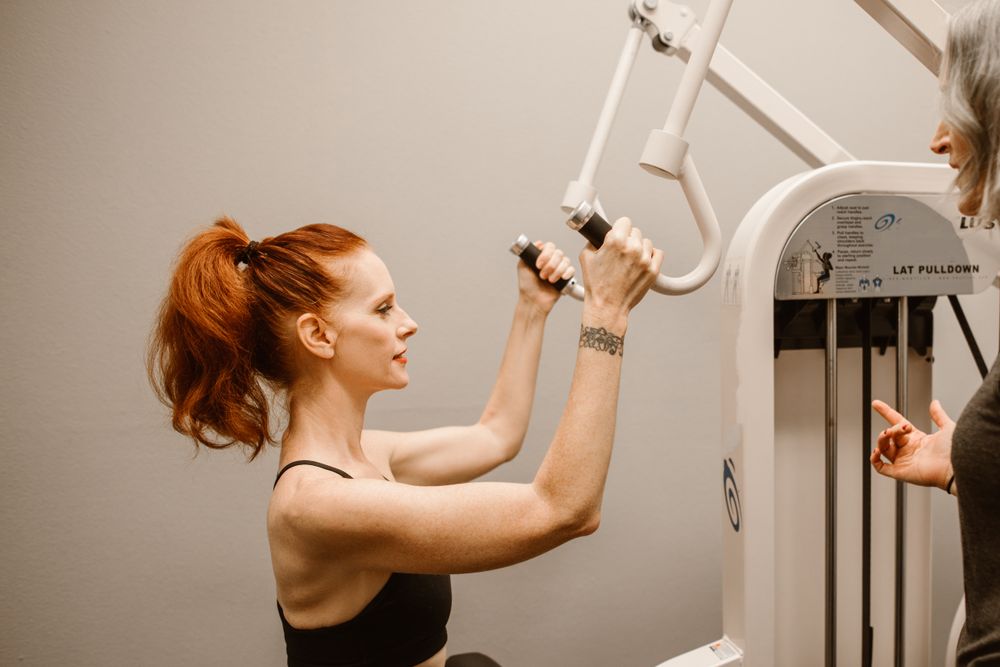
Muscle growth requires more than protein consumption. Resistance training provides the stimulus that tells the body to build and strengthen muscle tissue. Without regular strength training, dramatically increasing protein intake is unlikely to produce significant muscle gains.
The body can only use a certain amount of protein efficiently at one time. Once those needs are met, excess protein does not magically transform into muscle. Instead, the body may convert surplus protein into glucose for energy. In some cases, excess calories from protein can also be stored as fat.
This reality surprises people who assume protein is somehow exempt from normal calorie rules. Like carbohydrates and fats, protein contains calories. Consuming large amounts beyond what the body requires can contribute to weight gain over time.
However, that does not mean protein is harmful. It simply means balance remains important. The goal should be meeting nutritional needs, not overwhelming them.
The Quality Problem Many People Ignore

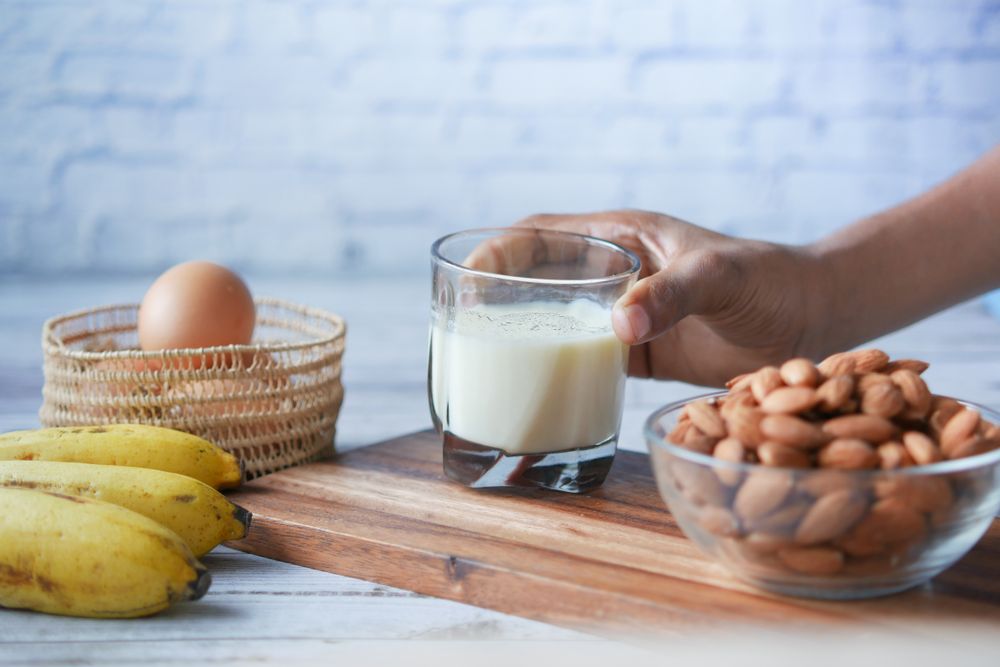
Mart / Pexels / One of the major issues with protein maxxing involves the types of foods people choose to reach higher protein targets.
Many influencers focus heavily on protein quantity while paying far less attention to quality. As a result, some people rely heavily on processed foods that happen to contain extra protein.
Protein bars, protein chips, processed meats, and fortified snacks may increase protein intake, but they often bring additional ingredients that deserve attention. Some products contain high levels of sodium, saturated fat, added sugars, or artificial ingredients.
Remember, a food does not automatically become healthy simply because the packaging highlights protein content.